Cryoprobe CFD冷冻消融探针 CFD
A full 3D conjugate-heat-transfer CFD model of a 3-concentric-tube liquid-nitrogen cryoprobe freezing an agar tissue phantom, in ANSYS Fluent 2024 R2. As project lead I built the staged model and validated ice-ball growth within 14% of published experimental data.液氮 3 同心管冷冻探针在琼脂组织体模中冻结的全 3D 共轭传热 CFD 模型(ANSYS Fluent 2024 R2)。作为负责人,我搭建了分阶段模型,并将冰球生长验证到与已发表实验数据吻合 14% 以内。
Cryosurgery destroys diseased tissue by freezing it — a liquid-nitrogen probe reaches about 77 K and grows a lethal ice-ball. Predicting that ice-ball's size and shape is what makes ablation plannable.冷冻外科通过冷冻摧毁病变组织——液氮探针达约 77 K,长出致死冰球。预测冰球的大小与形状,正是让消融可规划的关键。
01The challenge挑战
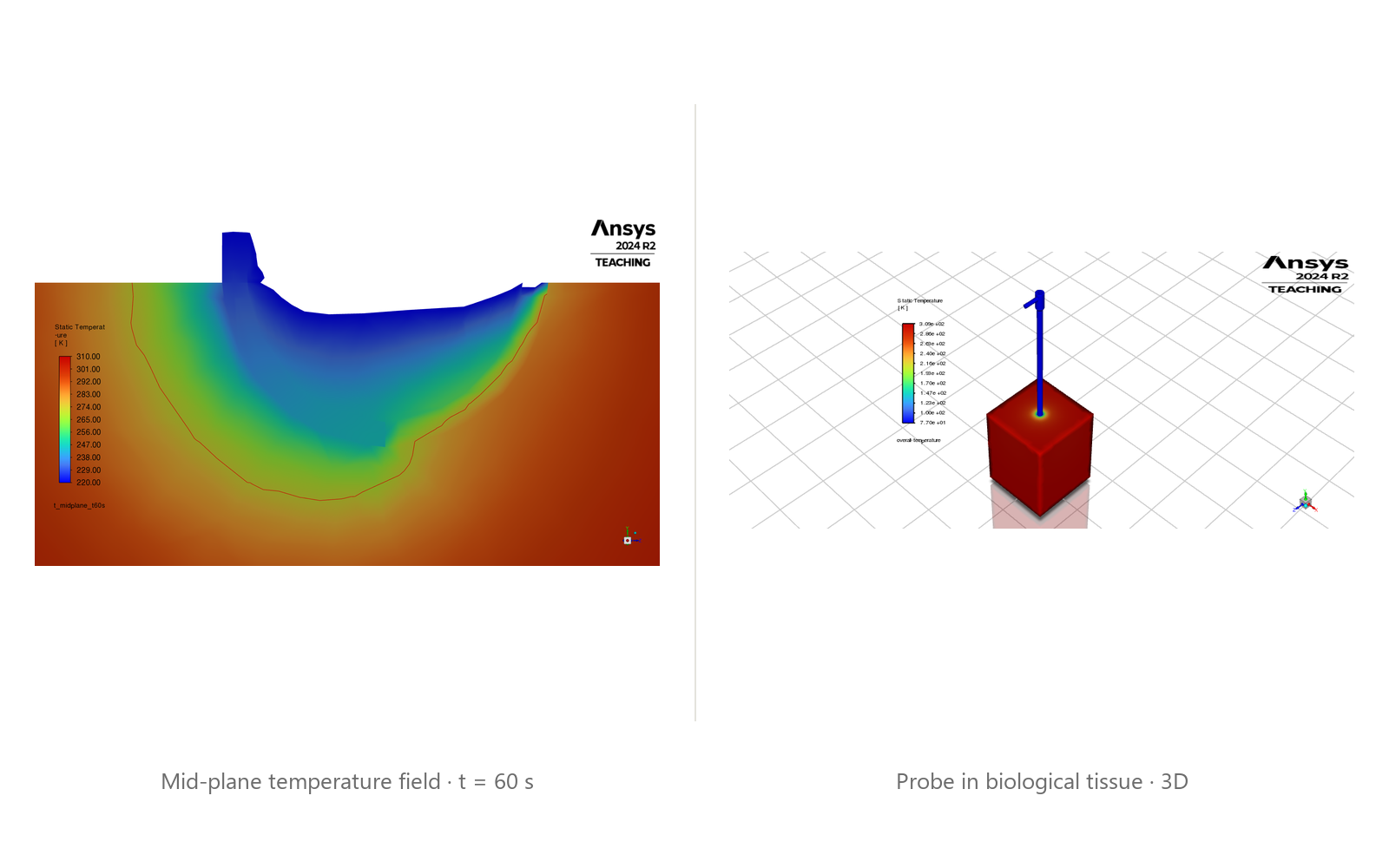
I modelled a 3-concentric-tube LN₂ cryoprobe immersed in a 60×60×60 mm agar biogel phantom. Liquid nitrogen enters the inner tube, turns at the closed tip and returns through an annulus; an evacuated outer gap insulates the shaft. Capturing the freeze means solving a fully coupled fluid–solid (conjugate) heat-transfer problem, with the LN₂, the 316L steel wall and the tissue all thermally linked, then proving the result against the literature.我对插入 60×60×60 mm 琼脂 biogel 体模的 3 同心管 LN₂ 探针建模。液氮从内管进入、在封闭尖端折返、经环隙返回;抽真空的外隙为探针杆隔热。捕捉冻结需求解完全耦合的流–固(共轭)传热问题——液氮、316L 钢壁与组织三者热联系——再用文献验证结果。
02Staged modelling strategy分阶段建模策略
Rather than switch on all the physics at once, I introduced it incrementally so each module could be isolated and verified:没有一次性打开全部物理,而是逐步引入,使每个模块都能被隔离验证:
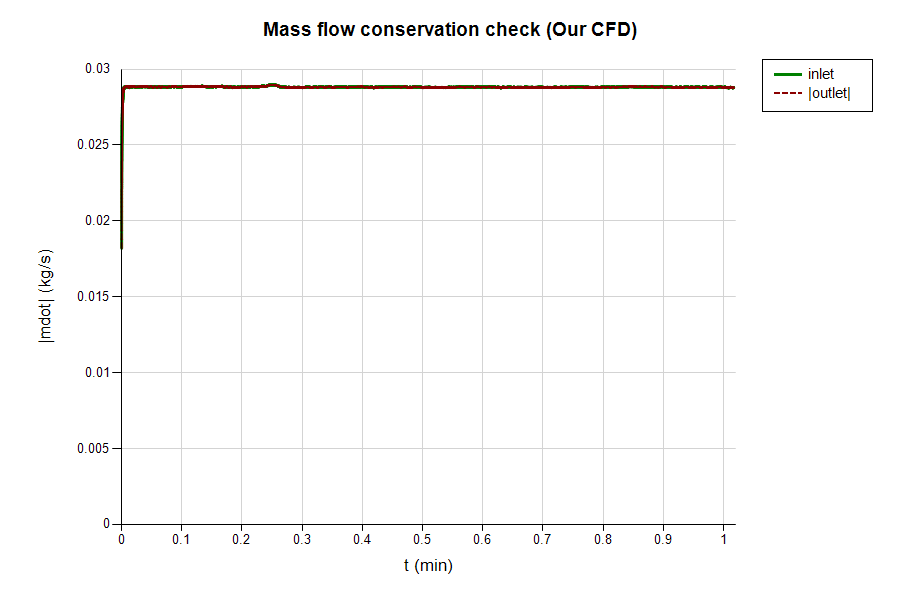
- Stage A / B — flow only, then steady energy. Converged cleanly (energy residual ~1e-8) with a steady ice-ball of 8–10 mm radius.A / B 阶段——先纯流动,再加稳态能量。干净收敛(能量残差 ~1e-8),稳态冰球半径 8–10 mm。
- Stage C — transient with VOF and a Lee phase-change model. It confirmed the LN₂ stays subcooled at the tip (T_max ≈ 79 K < T_sat = 86 K), so vapour fraction is identically zero — a clean check that the phase-change model is correct but correctly inactive.C 阶段——瞬态 + VOF + Lee 相变模型。证实尖端液氮全程过冷(T_max ≈ 79 K < T_sat = 86 K),气相分数恒为零——一个干净的验证:相变模型正确但被正确地保持非激活。
- Stage D — long transient to 61 s for the ice-ball growth comparison, with the biogel patched to body temperature (310 K) first.D 阶段——长瞬态到 61 s 做冰球生长对标,先把 biogel patch 到体温(310 K)。
03Result & validation结果与验证
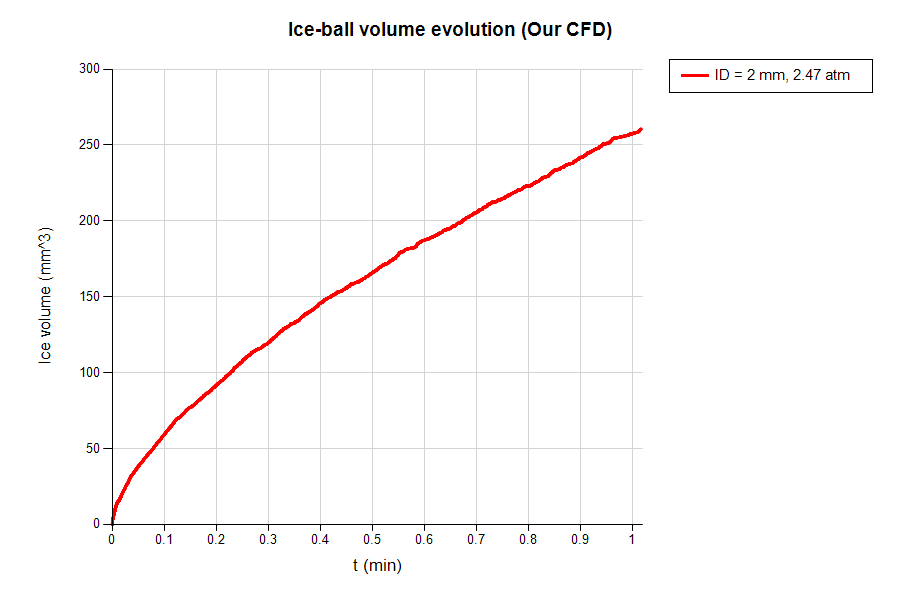
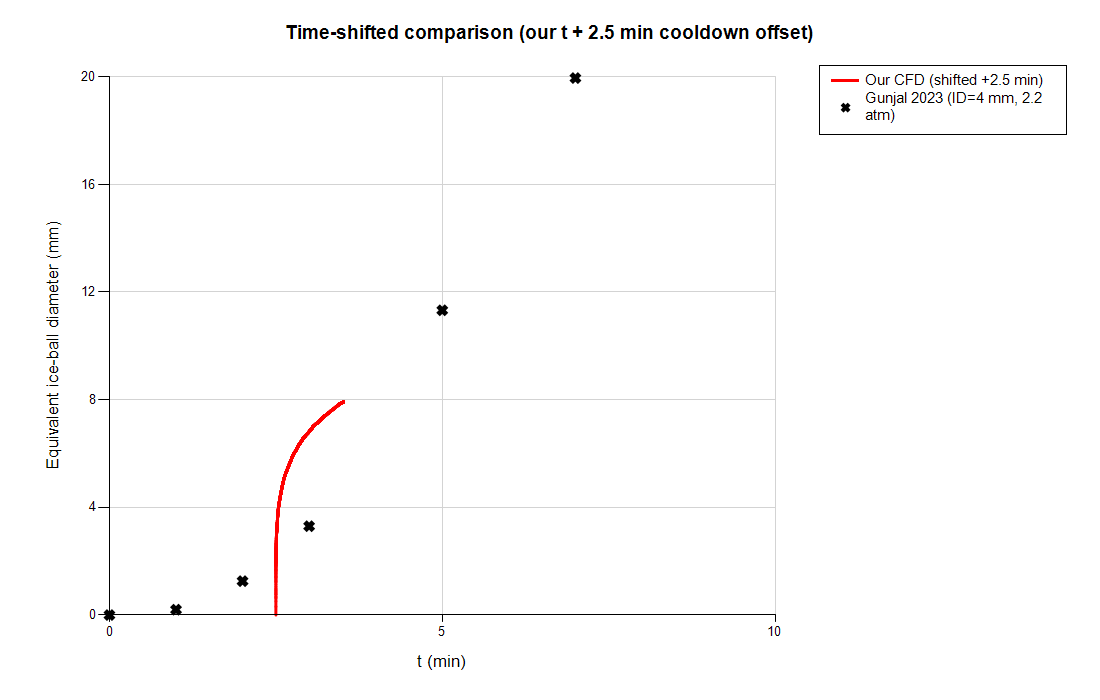
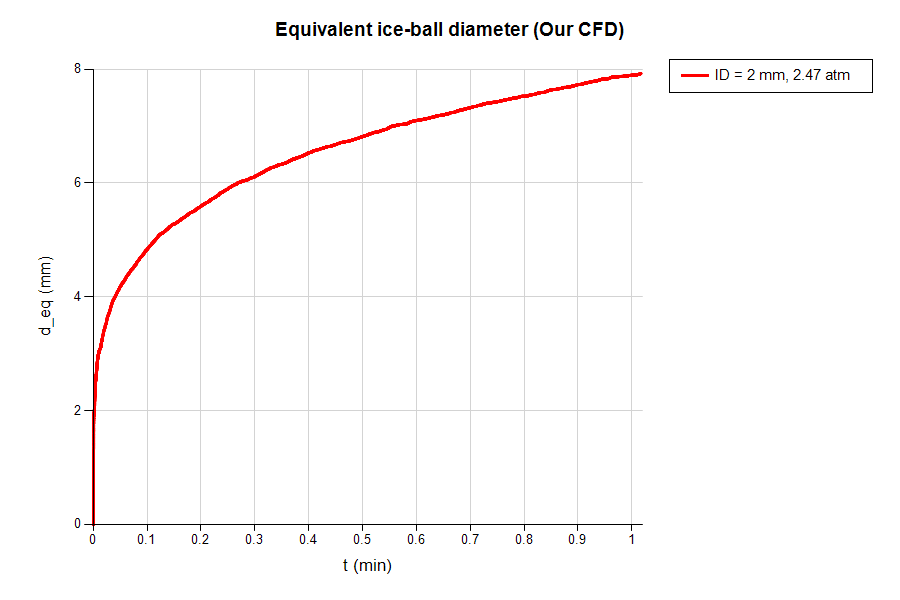
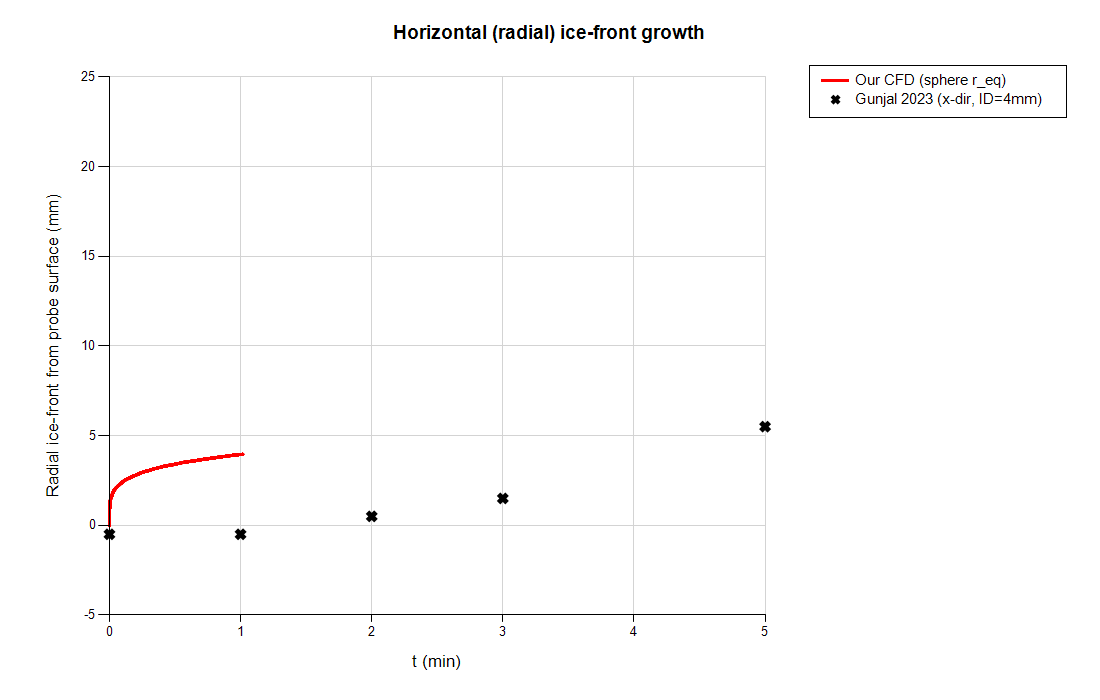
The ice-ball (taken as the 273 K isotherm) grows monotonically to 260 mm³ at 61 s. The patched initial condition skips the ~2.5-minute cool-down phase present in Gunjal et al. (2023); once that offset is accounted for, the predicted growth agrees with their experiment to within about 14%.以 273 K 等温面定义的冰球在 61 s 单调增长到 260 mm³。patched 初始条件跳过了 Gunjal 等(2023)实验中约 2.5 分钟的预冷阶段;计入该偏移后,预测生长与其实验吻合约 14% 以内。
04Extension — directional cryoablation延伸 — 定向冷冻消融
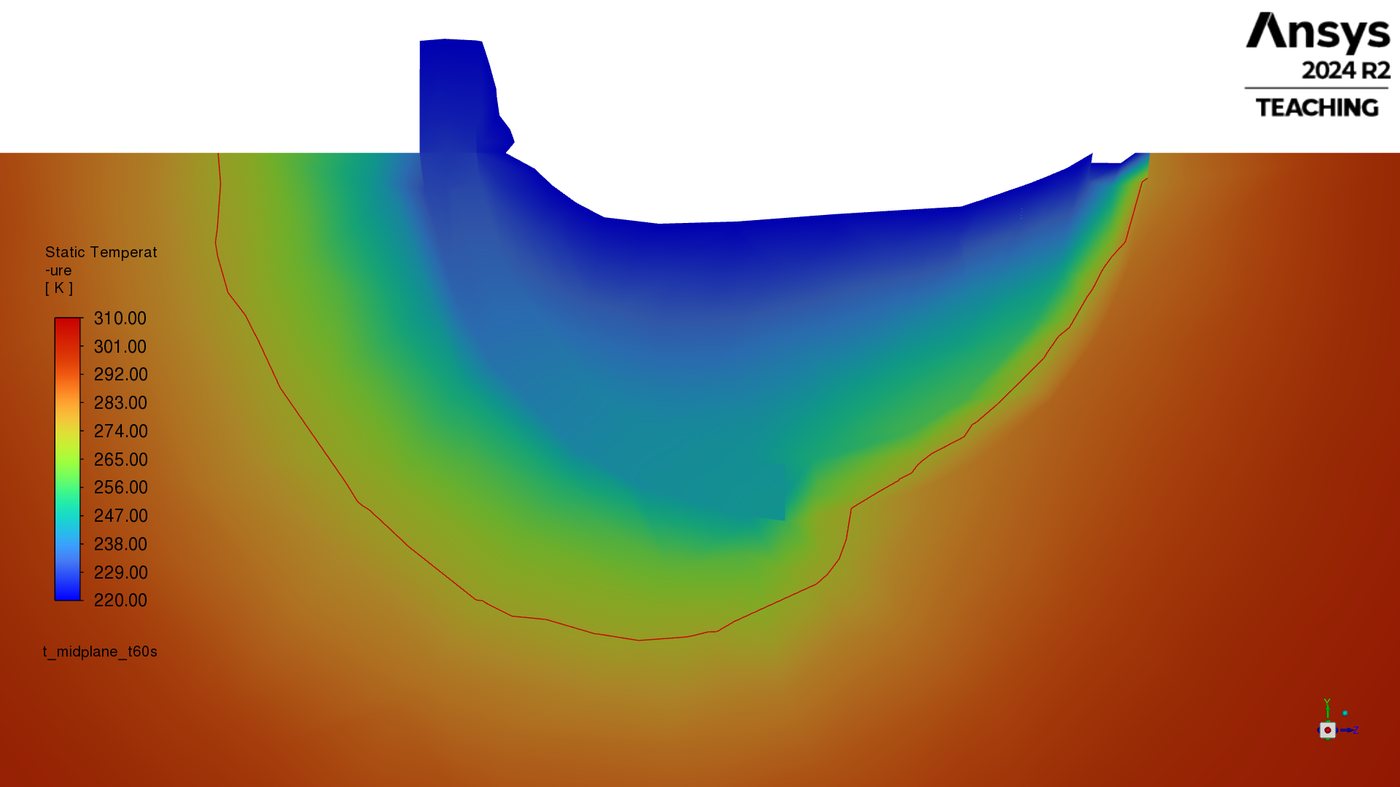
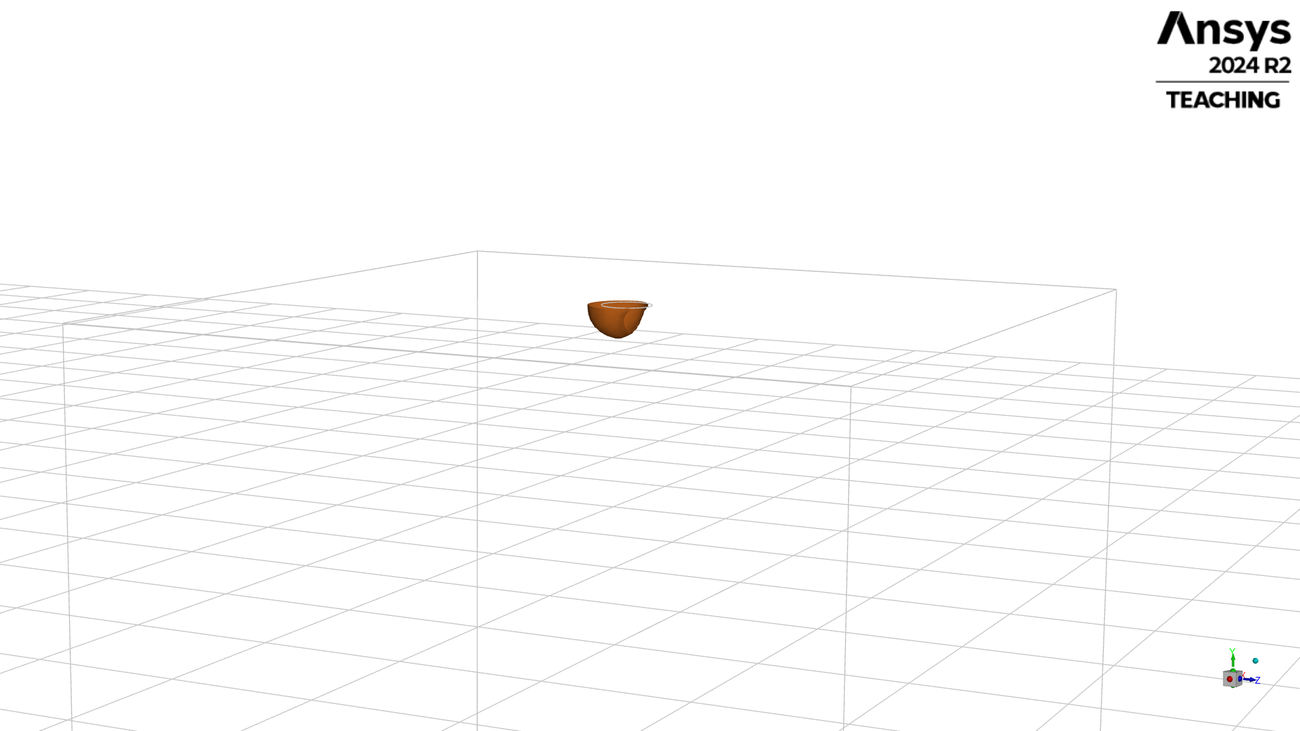
As a proof-of-concept I replaced one axial half of the probe tip with a low-conductivity insulator (k = 0.05 W/m·K) against 316L steel on the other half. The ice-ball became strongly asymmetric — contained within ~1 mm on the insulated side while extending ~6 mm on the steel side. That points at a directional cryoprobe that could freeze a tumour while sparing healthy tissue on one side.作为概念验证,我把探针尖端的一个轴向半边换成低导热绝热体(k = 0.05 W/m·K),另一半保持 316L 钢。冰球变得强烈非对称——绝热侧控制在 ~1 mm 内,钢侧延伸 ~6 mm。这指向一种定向探针:可在冻结肿瘤的同时保护一侧健康组织。
05What it demonstrates它说明了什么
End-to-end transient multiphysics CFD — conjugate heat transfer, VOF phase change, staged transients and disciplined initial conditions — carried to a literature-validated result and a novel design idea, and led from setup to write-up.端到端的瞬态多物理 CFD——共轭传热、VOF 相变、分阶段瞬态与严谨的初始条件——做到文献验证的结果与一个新颖的设计构想,并从建模到撰写全程主导。
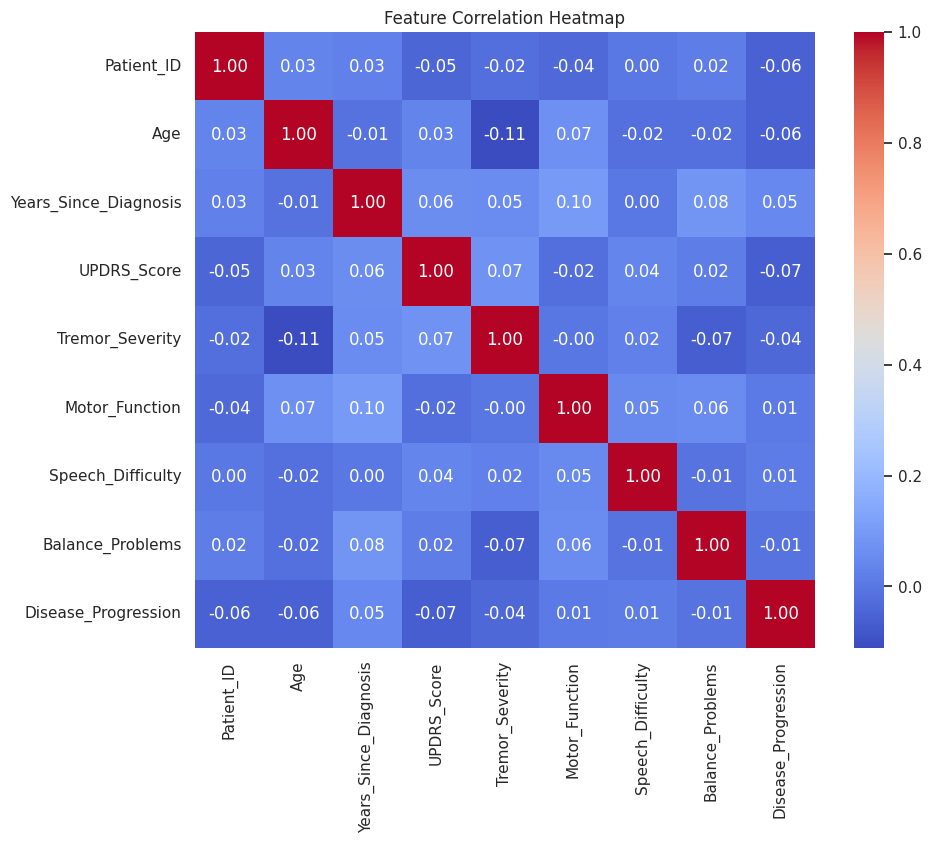
Parkinson's Progression ML帕金森病进展 ML
An EDA + statistics + machine-learning study on a 500-patient Parkinson's dataset — Random Forest, linear regression and a neural network (M基于 500 病人帕金森数据集的 EDA + 统计 + 机器学习研究——随机森林、线性回归与神经网络(MLP)的诚实对比。核心结论:现有临床